
Unit Price Math: The Five-Second Check That Beats Most Pack-Size Tricks
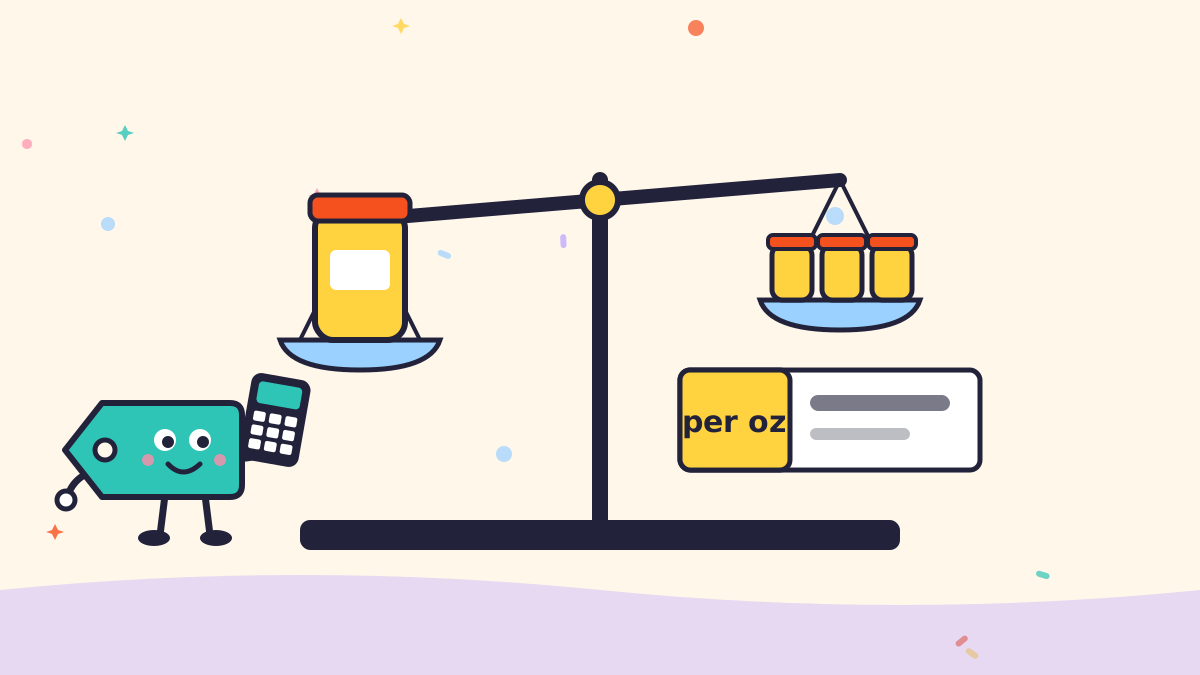
Unit pricing is the most useful number on a supermarket shelf, and the one most people skip. It tells you what you are paying per ounce, per sheet, per load or per count, which is the only fair way to compare a 12-pack with an 18-pack, or a family size with a regular size on sale.
Many US states require grocery stores to show unit prices on shelf labels, and many stores display them voluntarily, but the format varies. Knowing how to read them, and how to work them out when they are missing, takes about five seconds once it becomes a habit.
How to read a shelf label
A typical shelf tag shows the item price in large type and, somewhere smaller, the unit price: for example "$0.21 per oz" or "$4.10 per lb". The unit price is what you compare across sizes and brands. Two things trip people up.
- Mismatched units. One tag may show price per ounce and the next price per pound, or per count versus per ounce. Make sure you are comparing the same unit before deciding.
- Sale tags. A sale sticker often shows the new price but not a new unit price. The unit price printed on the regular tag underneath is then out of date, so you may need to do the math yourself.
Doing the math when it isn't printed
Unit price is simply the price divided by the quantity. Your phone's calculator is fine. Here is an illustrative example with round numbers.
| Option | Price | Size | Unit price |
|---|---|---|---|
| Regular jar | $3.00 | 12 oz | $0.25 per oz |
| Family jar | $5.40 | 24 oz | $0.225 per oz |
| Regular jar on sale | $2.50 | 12 oz | about $0.208 per oz |
| Two-pack bundle | $6.20 | 2 × 12 oz | about $0.258 per oz |
In this example the sale on the small jar beats the family size, and the "value" two-pack is the worst deal on the shelf. This is common: bundles and multipacks are not automatically cheaper per unit, and bigger is not always better.
For products measured in "uses" rather than weight, such as detergent loads, dishwasher tablets or rolls where sheet counts differ, compare per use. A roll marked "double" or "mega" is only meaningful when you check the actual sheet count on the pack.
When the bigger pack loses anyway
A lower unit price is only a saving if you use what you buy. Bulk buying makes sense for shelf-stable items you use steadily, have room to store, and will finish before they go stale or expire. It makes less sense for:
- Perishables you tend to throw away before finishing.
- Products you are not sure you like yet.
- Items with short shelf lives once opened, like some sauces or spices.
- Anything that pushes your grocery spending over budget this week, even if it is cheaper per unit.
Waste is the hidden cost. If you throw away a quarter of a big pack, your real unit price is a third higher than the label says.
Shrinking packs and quiet price rises
Manufacturers sometimes reduce the quantity in a package while keeping the price the same or similar, a practice often called "shrinkflation". The package may look nearly identical, so the change is easy to miss. Unit prices reveal it immediately: the price per ounce goes up even though the shelf price did not change.
If you buy something regularly, keep a note of its size and your usual unit price. When a "new look" pack appears, glance at the quantity. It is also why comparing across brands by unit price is more reliable than remembering which one was "the cheap one" last year.
Beyond the grocery aisle
Unit thinking works for almost anything. Compare phone plans per gigabyte you actually use, streaming services per hour you actually watch, gym memberships per visit, and razors or printer ink per use rather than per handle or per printer. The same logic applies to subscriptions: a cheap monthly fee is expensive per use if you rarely use it.
The habit is simple: before comparing prices, ask "price per what?" Once you are comparing the same unit, the better deal is usually obvious.
A quick mental shortcut
You do not always need a calculator. If one pack is twice the size of another, it should cost less than twice as much to be the better deal. If a bundle of three costs more than three singles on sale, skip the bundle. For awkward sizes, round both to a common quantity: compare a 14-ounce box with a 20-ounce box by asking what 10 ounces of each would cost. These rough checks catch most bad bundles in the aisle, and you can confirm the close calls with your phone. Over a year of weekly shopping, quietly picking the lower unit price on the items you buy most often tends to add up to more than chasing occasional big-ticket discounts.
Frequently asked questions
Are unit prices always shown in stores?
Not everywhere. Requirements differ by state and country, and some stores display them voluntarily. Online grocery listings often show them near the price.
Is the store brand always cheaper per unit?
Often, but not always. A name brand on sale can beat the store brand's regular unit price. Compare the numbers rather than assuming.
How do I compare different units like count vs ounces?
Choose the unit that reflects how you use the product. For snacks, per ounce; for tablets or pods, per count; for cleaning products, per load or per use.
Does buying in bulk always save money?
Only if you use everything before it spoils and the purchase fits your budget. Waste raises your real unit price.
Related articles
 BudgetingBudgeting for Deal Hunters: Save Money, Not Just PercentagesA simple budgeting approach for people who love a deal: planned-purchase lists, sinking funds, a 'deal buffer', and how to count savings honestly.Read the guide
 Deal basicsHow to Spot a Real Deal (and a Dressed-Up Regular Price)A practical way to tell a genuine discount from a big red 'was' price: reference prices, price history, total cost and the questions worth asking before you buy.Read the guide
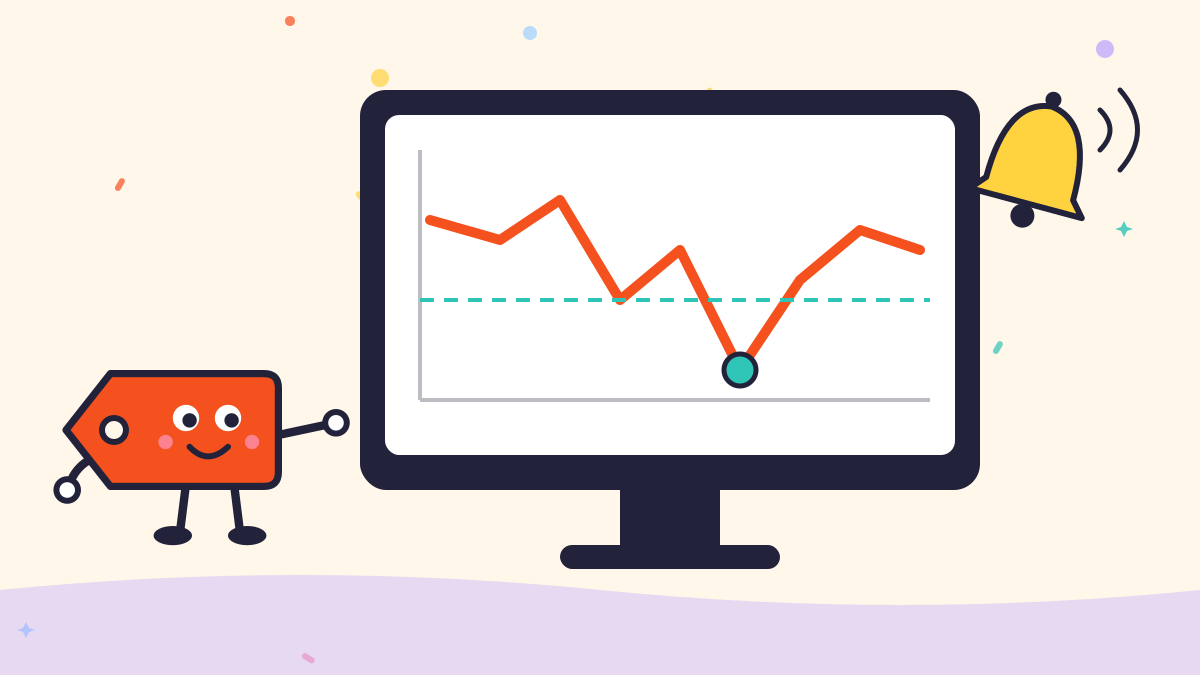 TimingPrice Tracking Basics: Watch Prices So You Don't Have to GuessHow price tracking works, how to read a price-history chart, how to set a sensible target price and alert, and when waiting is (and isn't) worth it.Read the guide